
The Junkyard Information
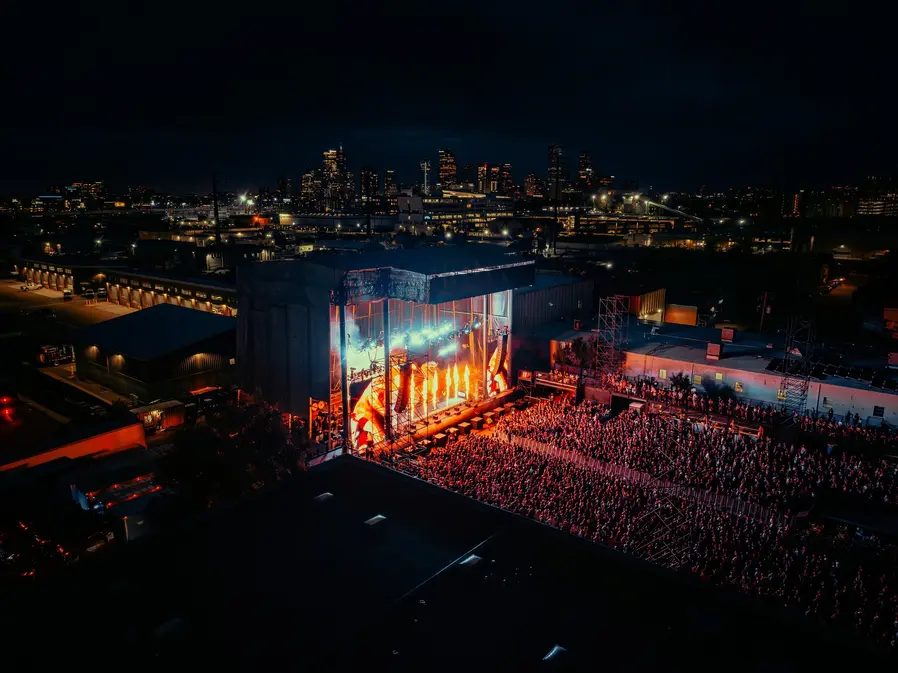
Nestled in the vibrant heart of Denver, Colorado, The Junkyard is a unique venue that has carved out a niche in the local music and event scene. This spot blends industrial charm with modern amenities, making it a go-to for concerts, art shows, and community gatherings. This comprehensive guide dives deep into its history, atmosphere, equipment, management, what to expect as an attendee, concessions, and additional tips to enhance your visit. Whether you’re a first-timer or a regular, understanding The Junkyard’s nuances will help you make the most of your experience.
History of The Junkyard
The Junkyard’s story begins in the early 2000s when Denver’s warehouse district was undergoing revitalization. Originally a scrap metal yard established in the 1950s, the site at 2323 W Mulberry Place was abandoned by the late 1990s due to economic shifts in manufacturing. In 2005, local entrepreneur and music enthusiast Alex Rivera purchased the property, envisioning it as a creative hub. Rivera, inspired by DIY venues in cities like Austin and Portland, transformed the junk-strewn lot into an indoor-outdoor space that opened its doors in 2007.
Over the years, The Junkyard has hosted pivotal events that shaped its reputation. In 2010, it was the launchpad for Denver’s Indie Music Festival, drawing crowds that put it on the map. The venue weathered challenges, including a 2012 fire that damaged part of the structure, but community fundraisers allowed a quick rebuild with enhanced safety features. By 2015, it had expanded to include an outdoor stage, coinciding with Denver’s booming arts scene.
Today, it’s celebrated for preserving its gritty roots while adapting to modern demands, having hosted over 500 events and artists like local bands such as The Lumineers in their early days and touring acts like Tame Impala. Its history reflects Denver’s evolution from industrial hub to cultural hotspot, making it a symbol of urban renewal.
Atmosphere and Vibe
Stepping into The Junkyard feels like entering a post-apocalyptic wonderland fused with bohemian flair. The atmosphere is raw and energetic, with exposed brick walls, rusted metal sculptures from its scrapyard days, and string lights draped across the ceiling. Indoors, the main hall seats about 300, with a standing capacity of 500, creating an intimate yet electric vibe perfect for rock, punk, and electronic shows. The outdoor area, added in 2015, offers a relaxed, festival-like setting under the stars, complete with fire pits and picnic tables.
The crowd is diverse – think tattooed millennials, families during daytime events, and music aficionados of all ages. It’s known for its inclusive, no-frills energy; there’s no VIP section, emphasizing equality. However, it can get crowded and loud, with decibel levels often hitting 100 dB during performances. The industrial aesthetic, while charming, means uneven flooring and potential dust, so comfortable shoes are a must. Overall, the vibe is welcoming and unpretentious, fostering a sense of community that’s rare in larger venues.
Equipment and Technical Setup
The Junkyard prides itself on professional-grade equipment that supports a wide range of events. The sound system features a state-of-the-art Meyer Sound setup with line arrays for even audio distribution, ensuring crystal-clear sound whether you’re front-row or in the back. Lighting is handled by LED rigs from Chauvet, programmable for dynamic effects, and the stage is equipped with backline amps, monitors, and a mixing console from Allen & Heath.
For visuals, there’s a high-definition projector and screen for film nights or presentations. The outdoor stage mirrors this with weather-resistant speakers and portable generators. Tech specs include a 20×15-foot indoor stage and a larger 30×20-foot outdoor one, both with rigging points for aerial performances. Bands appreciate the on-site green room with basic amenities. However, equipment rentals are available but not included, so event planners should budget accordingly. Recent upgrades in 2023 focused on sustainability, adding solar-powered lights and energy-efficient amps.
Management and Operations
The Junkyard is managed by Junkyard Collective LLC, founded by Alex Rivera, who remains the primary owner. Day-to-day operations are overseen by venue manager Sarah Kline, a Denver native with a background in event production. The team includes a small staff of sound engineers, bartenders, and security personnel, many of whom are local artists themselves, adding to the venue’s authentic feel. Booking is handled through their website or direct email, with a focus on emerging talent and community events. They prioritize safety, adhering to Denver’s fire codes and employing trained security for larger shows.
Rivera has been vocal about sustainability, implementing recycling programs and partnering with local nonprofits. Feedback from attendees highlights the management’s responsiveness – issues like sound glitches are addressed promptly. As a privately owned spot, it’s not affiliated with major chains, allowing for flexible programming.
What to Expect as an Event Goer
Arriving at The Junkyard, expect a straightforward entry process: tickets are scanned digitally, and IDs are checked for 21+ events. Doors typically open an hour before showtime, but lines can form early for popular acts – arrive 30 minutes ahead. Inside, navigation is easy with clear signage, though the layout’s industrial quirks mean watching your step on gravel paths outdoors. Events run smoothly, but be prepared for weather-dependent outdoor shows; bring layers for Denver’s unpredictable evenings. Accessibility is decent with ramps and ADA-compliant restrooms, but call ahead for specific needs. Parking is limited – street spots fill up fast, so use rideshares or nearby lots. Expect a mix of standing and seating; chairs are available but not guaranteed. Pro tips: Download the venue app for real-time updates, and note that re-entry is usually not allowed.
Concessions and Amenities
Concessions at The Junkyard keep things simple and local. The bar offers craft beers from Denver breweries like Great Divide and New Belgium, plus cocktails and non-alcoholic options. Prices are reasonable – $6-8 for a beer, $10 for mixed drinks. Food trucks rotate nightly, featuring tacos, burgers, and vegan options from vendors like Comida or Basic Kneads Pizza. No in-house kitchen means variety, but selections can vary by event. Snacks like chips and candy are available at the bar. For hydration, water stations are free, encouraging eco-friendly practices – bring a reusable bottle. During peak times, lines can be long, so grab refreshments early. Special events might include themed menus, like barbecue for festivals. Overall, it’s affordable and supports local businesses, enhancing the community vibe.
Additional Tips for Visitors
Beyond the basics, The Junkyard offers unique perks. Public transit is convenient via RTD buses stopping nearby, and it’s bike-friendly with racks. Safety is emphasized with well-lit paths and on-site medics for larger events. For families, daytime shows are all-ages, but evenings often go 18+. Photography is allowed, but flash is discouraged. Sustainability efforts include compost bins – participate to keep the venue green. If you’re driving, note the zip code 80204 places it near downtown, about 10 minutes from Union Station. Check their social media for event cancellations or specials. With its blend of history and modernity, The Junkyard remains a Denver gem for memorable experiences.
For more information on the The Junkyard see the pages below:
The Junkyard Parking:
Read parking information and directions for the The Junkyard.
Ticket Policies:
Read ticket policies, ticket verification and refund policies.
The Junkyard Seating Chart:
View the The Junkyard seating map and read related seating information.